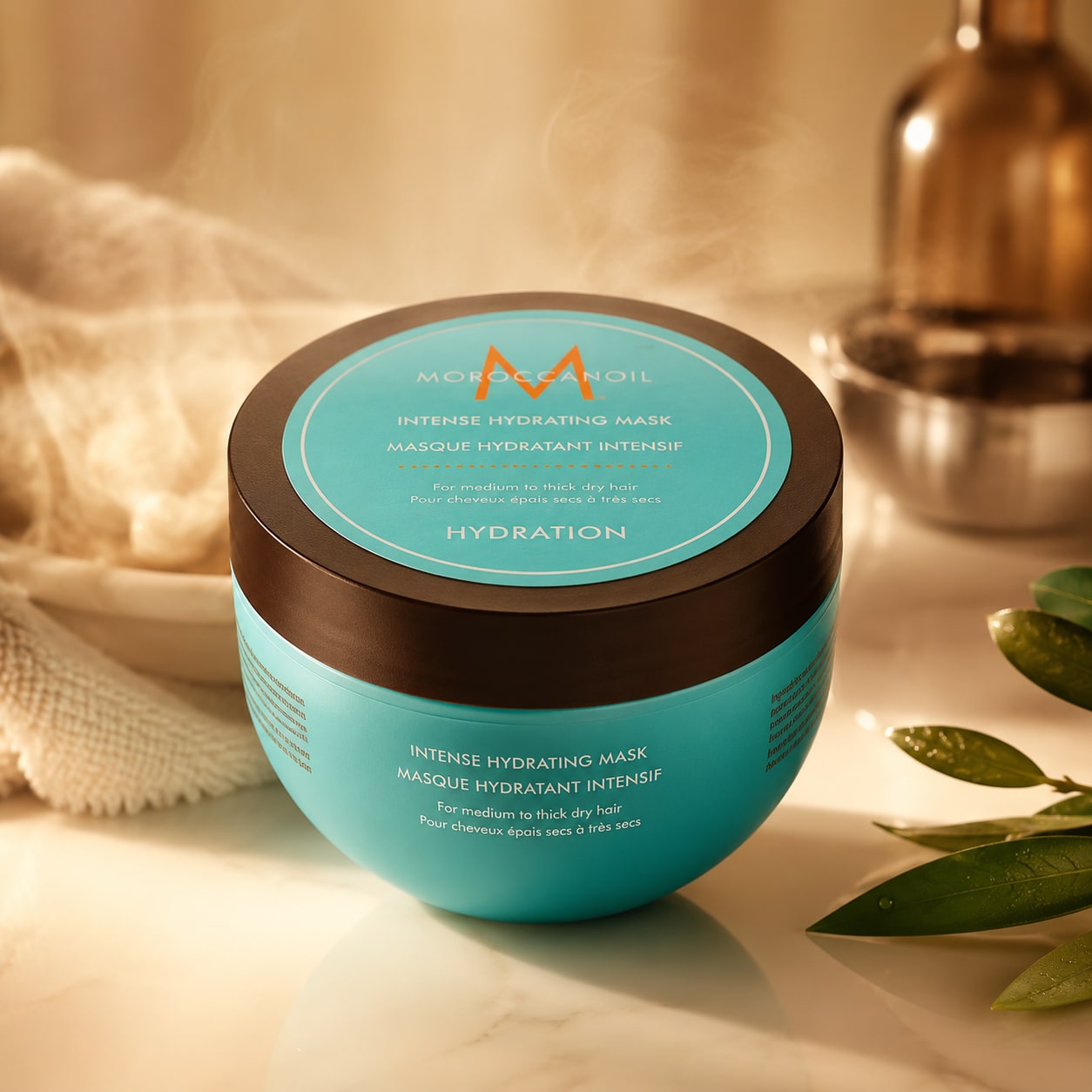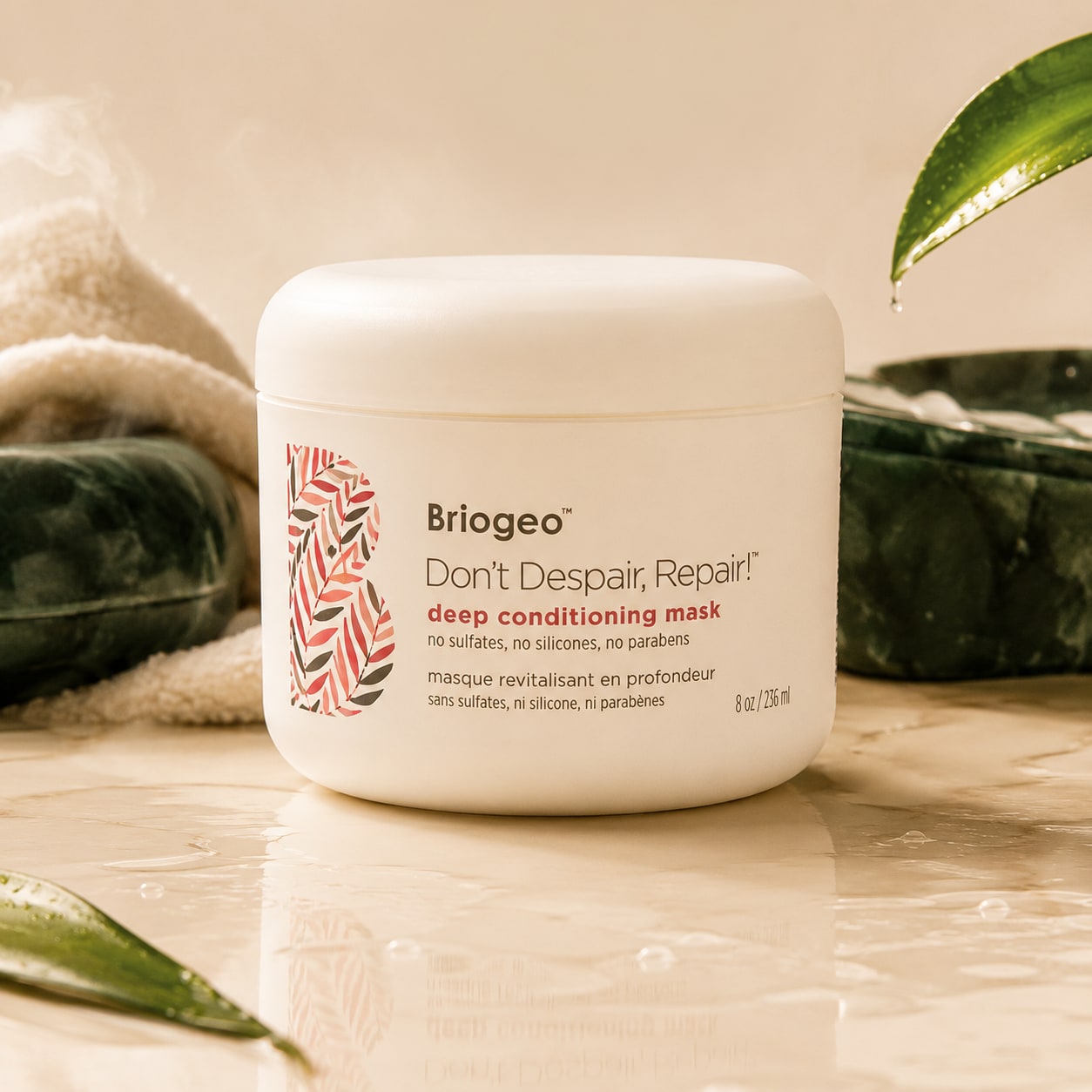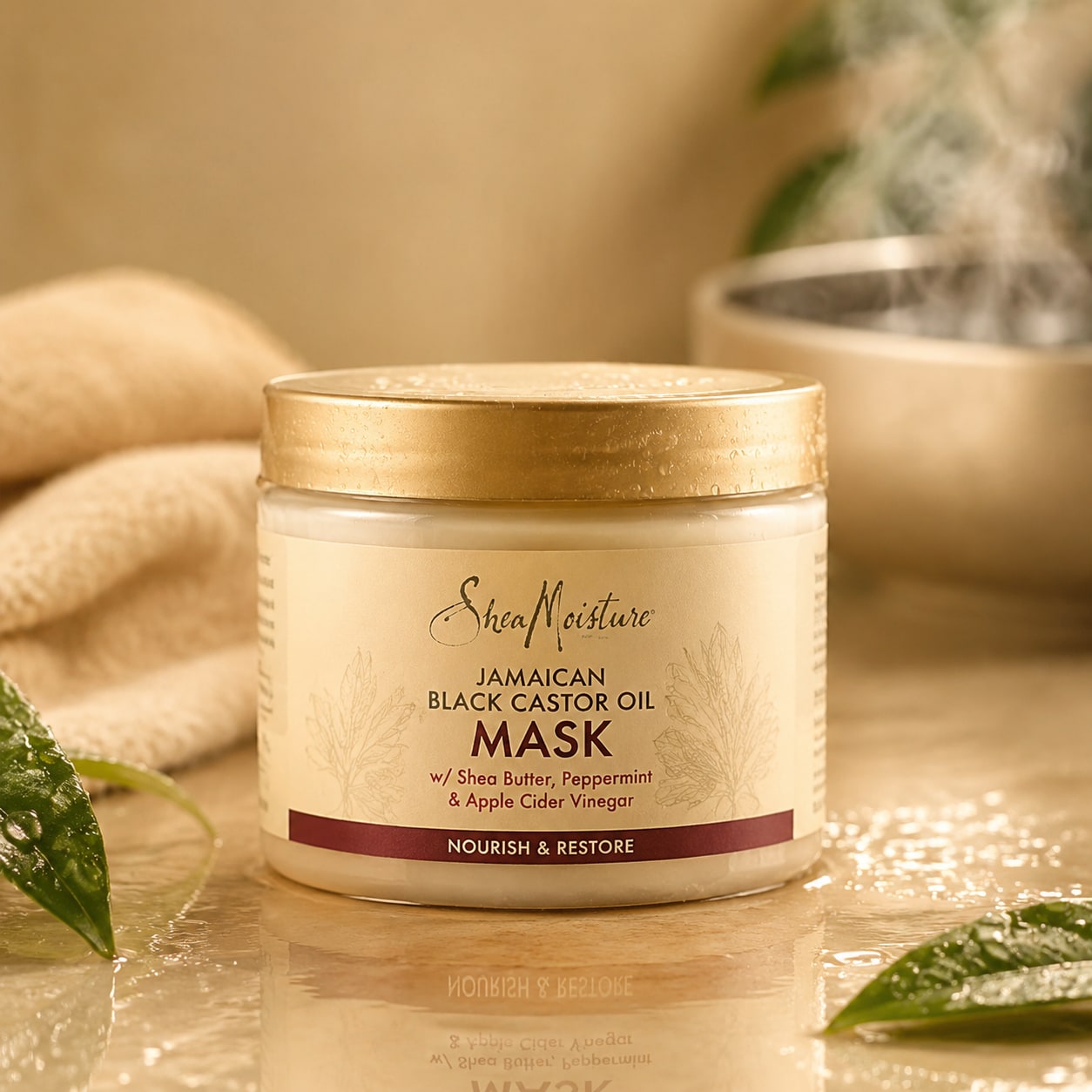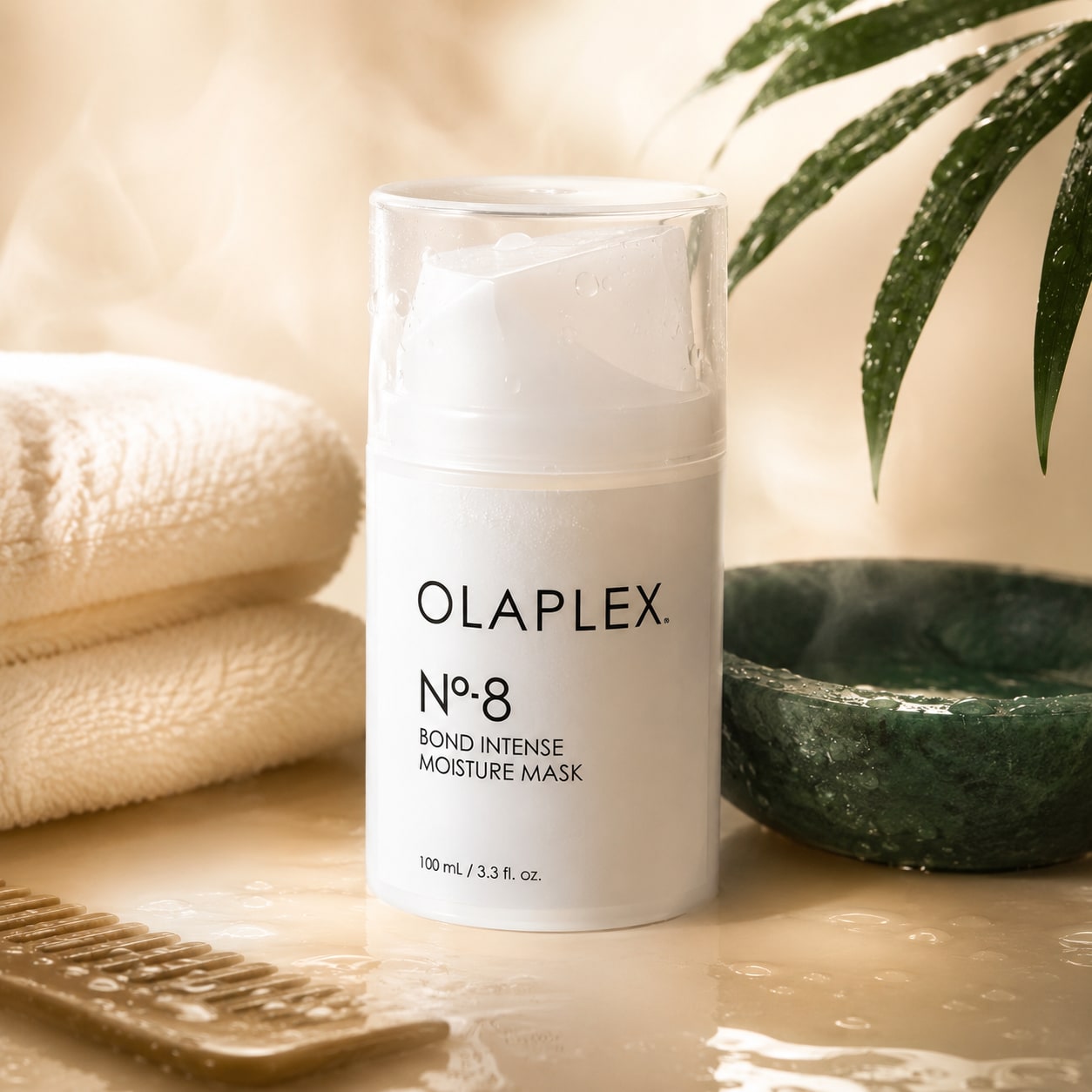
Coconut Oil is one of the most searched actives in rinse-out hair masks — and one of the easiest to misapply. Coconut oil penetrates the hair shaft more than many plant oils, which helps porous hair — but can overwhelm fine strands if applied too close to the root.
This guide explains how coconut oil behaves in a mask format, who benefits most, and when to skip it. For product rankings by texture, jump to our hair-type-specific picks below or start at the best hair masks pillar.
What coconut oil does in a mask
Masks stay on the strand longer than conditioner, so coconut oil has more contact time to improve slip and post-rinse feel. The goal is not to coat hair — it is to make detangling easier and leave elasticity intact on day two.
Scan the first five INCI lines. If coconut oil appears after heavy silicones or waxes only, the marketing may outrun the formula. A useful mask lists meaningful actives before fragrance and colorants.
Who should use coconut oil masks
Readers with dry or damaged hair often see the clearest benefit when porosity is high and ends stay rough after a normal conditioner. Fine hair can still use coconut oil masks — but dose lightly, keep product off the root, and rinse extra thoroughly.
Curl patterns from 2C waves through 4C coils may need sectioning and more product per quadrant than looser textures. Match frequency to feel: weekly if ends stay thirsty, every 10–14 days if hair feels coated.
Risks and when to pause
Stiff, crunchy, or unusually dry hair after masking may signal protein overload or a formula that is too heavy for your porosity. Pause for two weeks and switch to a moisture-focused mask before retrying.
Sudden breakage or patchy thinning is not something a cosmetic mask alone can address — see a dermatologist or trichologist if shedding changes quickly.
How we evaluate coconut oil masks
We test slip on first application, rinse clarity, scent load, and how hair feels 48 hours later. Masks that look glossy in the shower but feel waxy or flat after drying rank lower. Price per ounce and realistic jar size matter for weekly routines.
Top picks by hair type
- Best Coconut Oil Mask for Fine Hair
- Best Coconut Oil Mask for Dry & Damaged Hair
- Best Coconut Oil Mask for 3B Curly
- Best Coconut Oil Mask for 4C Coily
Application tips
- Shampoo first, then apply on damp — not dripping — hair.
- Emulsify the mask between palms before raking through sections.
- Leave on per label (usually 5–20 minutes).
- Rinse until water runs clear; cool water can help close the cuticle.
- Track results across two wash cycles before increasing frequency.
Related guides
- Browse all coconut oil mask rankings on this hub
- How to apply a hair mask
- Protein vs moisture masks
- Hair mask vs conditioner
Shopping checklist for coconut oil masks
- Actives in the first half of the INCI list, not only in marketing copy
- Rinse time you will realistically follow every week
- Jar size that matches your dose per wash (fine hair uses less per session)
- Reviews that mention rinse feel — not only scent or packaging
Pairing coconut oil with other categories
Heavy oil pre-treatments can block rinse-out masks from contacting the strand if not shampooed thoroughly first. If you use hair oils between wash days, keep them on lengths only and mask on a clean shampoo day for best contact time.
Troubleshooting after masking
If hair feels coated within 24 hours, you likely used too much product, applied too close to the root, or rinsed too quickly. Try half the dose next time and focus on mid-lengths and ends only. If hair feels stiff or straw-like, pause protein-heavy formulas for two to three weeks and use a moisture mask instead.
Pairing with the rest of your routine
Masks are the weekly deep step — not a replacement for everyday conditioner unless your hair truly needs it. Between mask days, a lightweight conditioner and gentle detangling protect ends until the next treatment. For daily frizz or shine without added weight, leave-in serums on Hair Serums serve a different job than rinse-out masks.
Before you buy
Compare ingredient placement, rinse instructions, and jar size against how often you will actually mask. Our product catalog lists every mask we review with ratings and specs. Start from the best hair masks pillar if you are unsure which ingredient category fits your goal.
Saving your results
Track slip during application, rinse clarity, and day-two elasticity after each mask. Two wash cycles of notes beat guessing from a single shower experience. When a formula works, bookmark the matching matrix ranking so your next repurchase is intentional.
Coconut Oil mask for every hair type
Frequently Asked Questions
What does coconut oil do in a hair mask?
It supports the treatment goal listed on the label — match frequency to how your hair feels after rinsing.