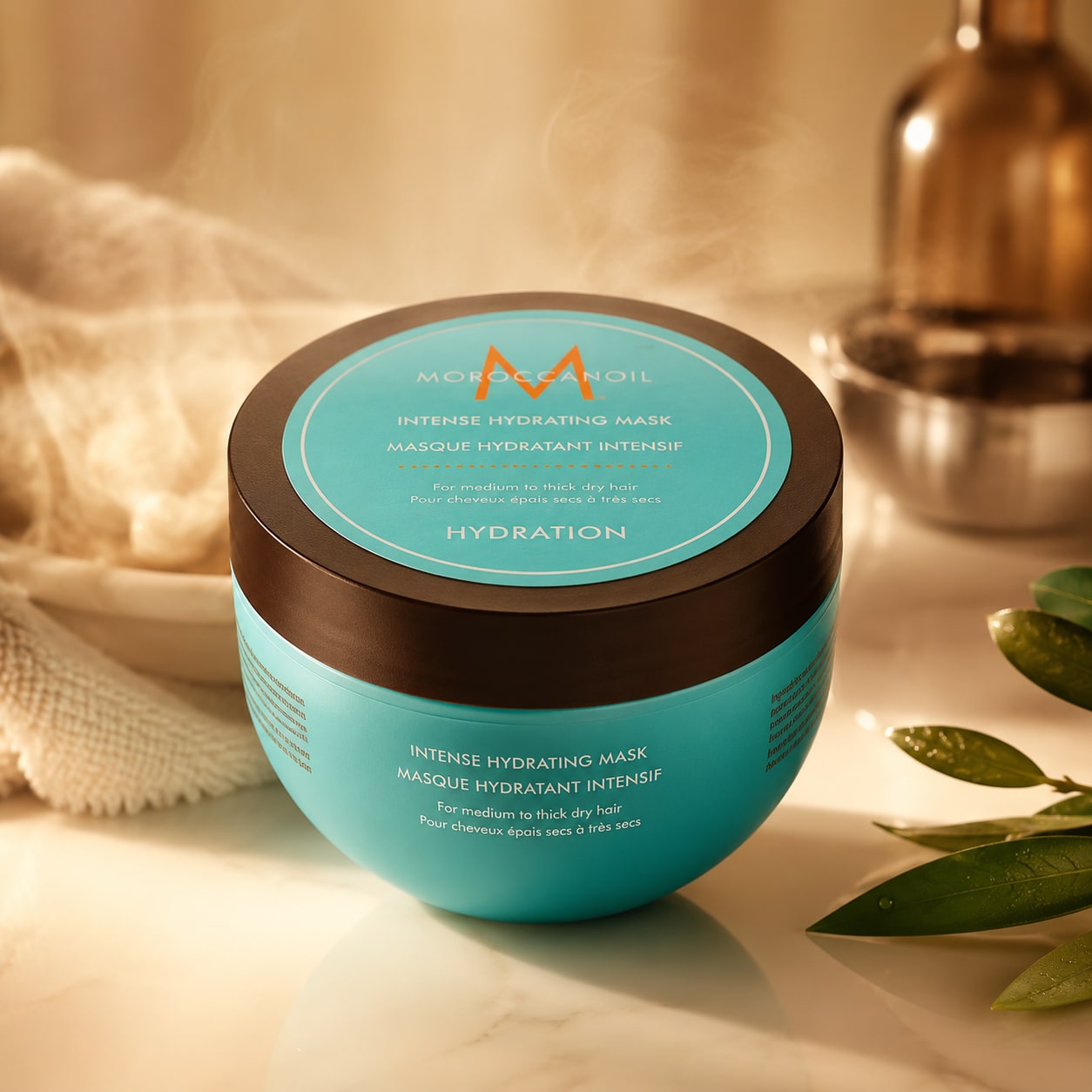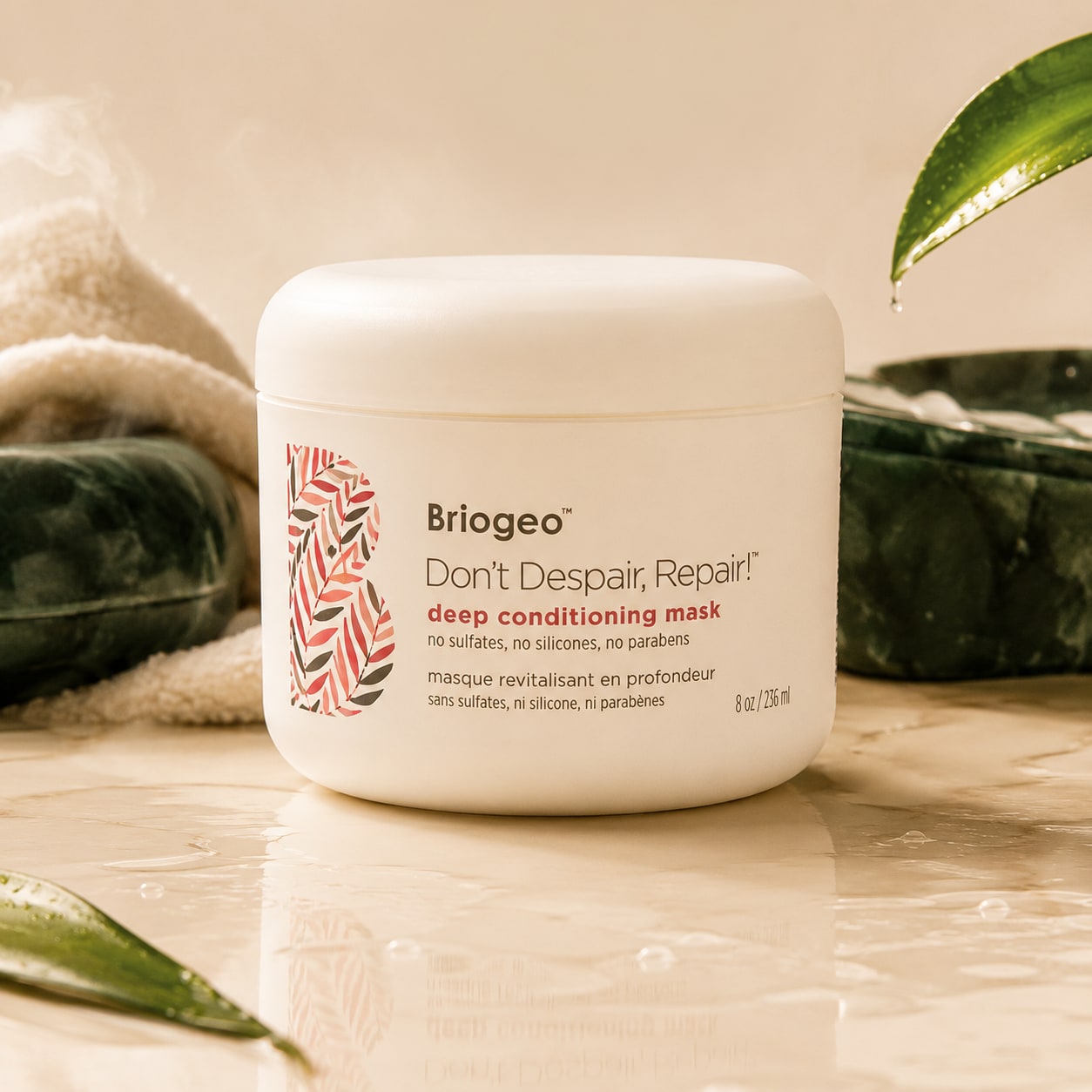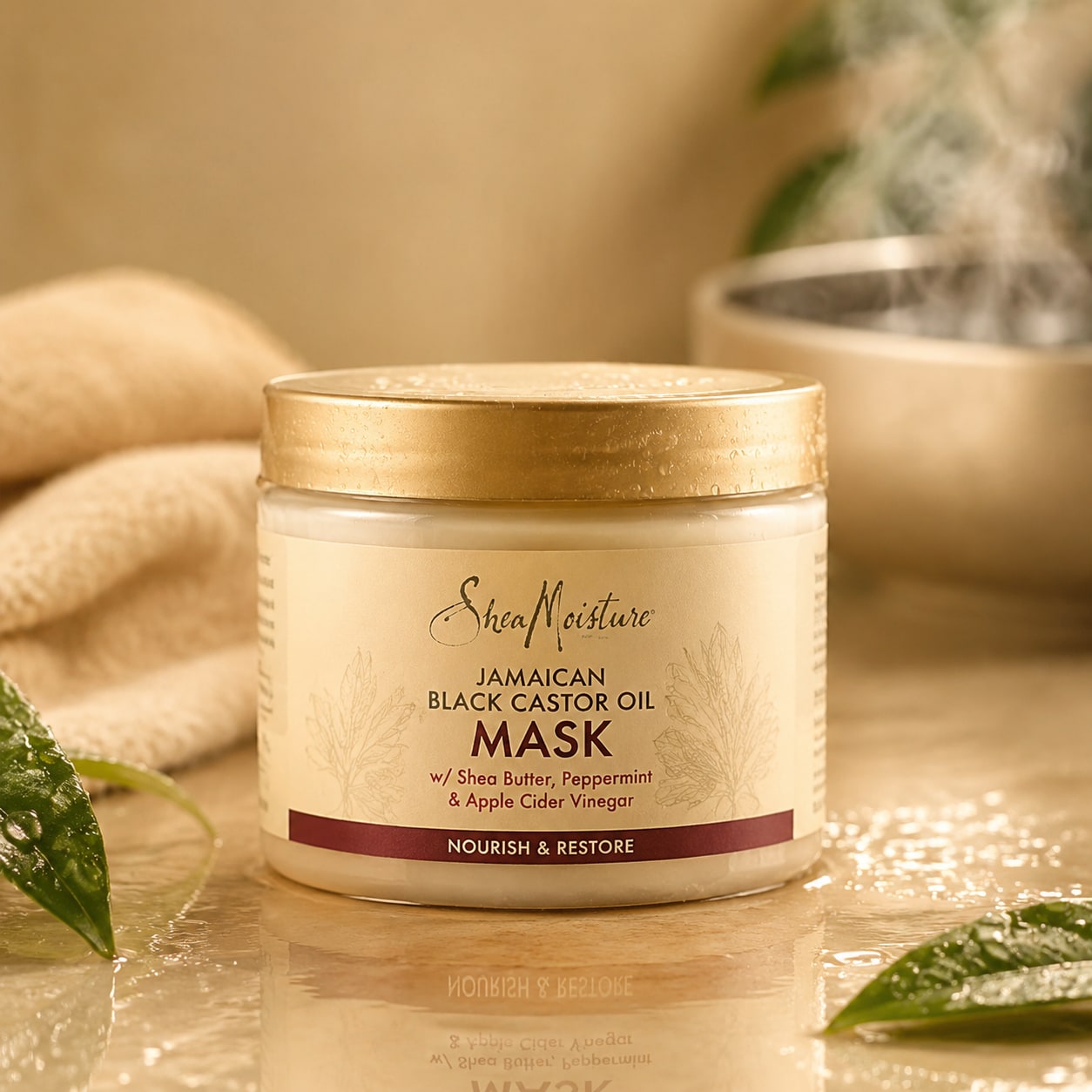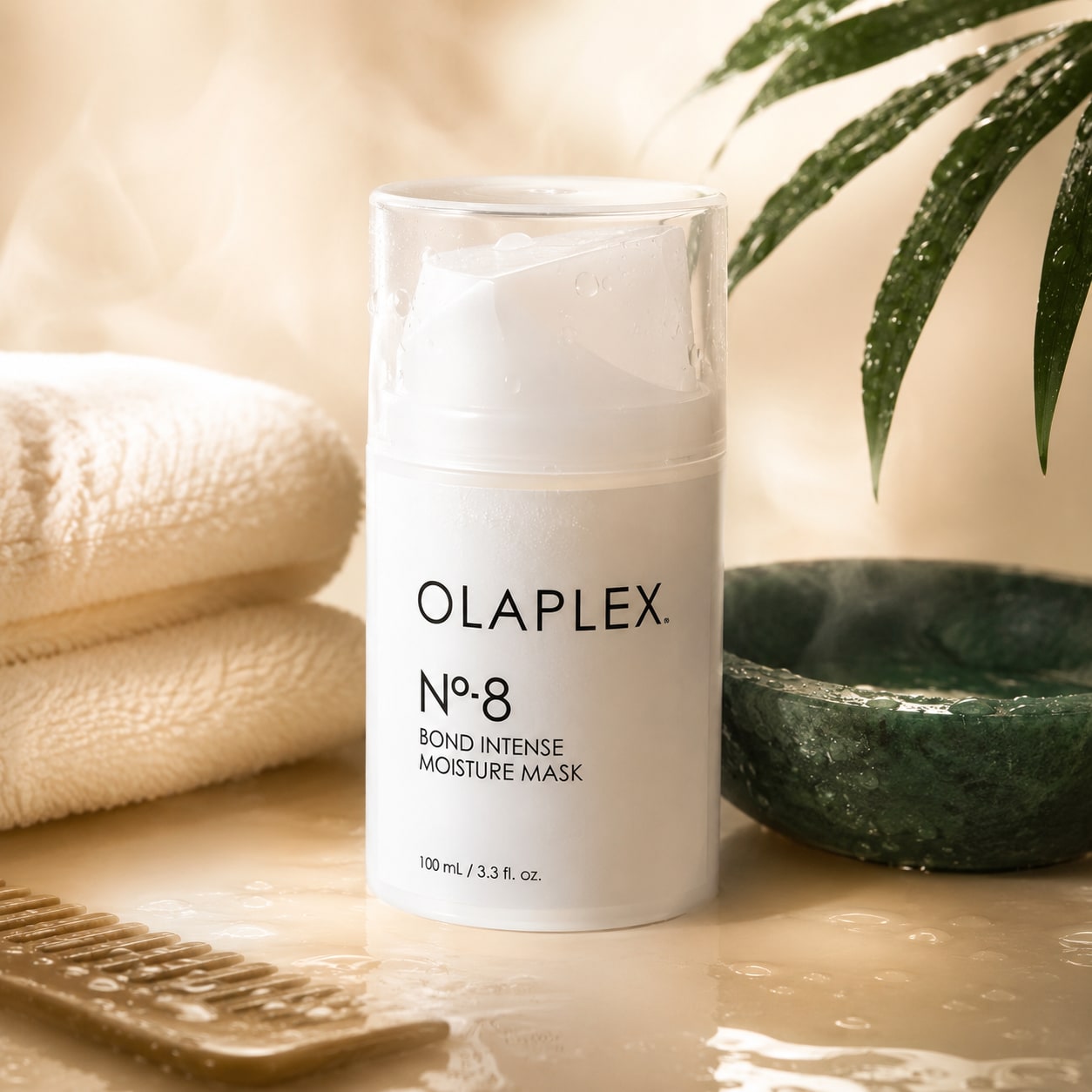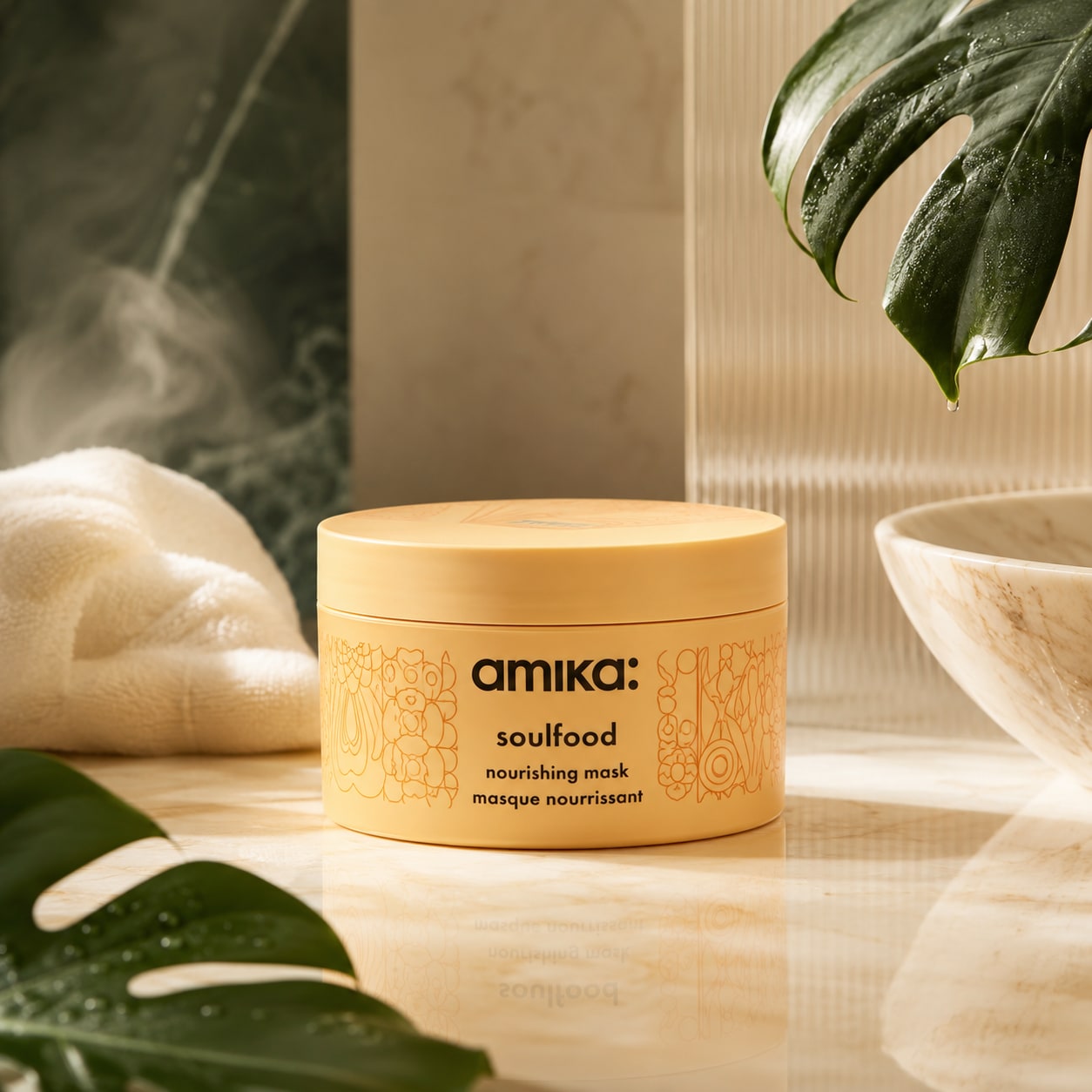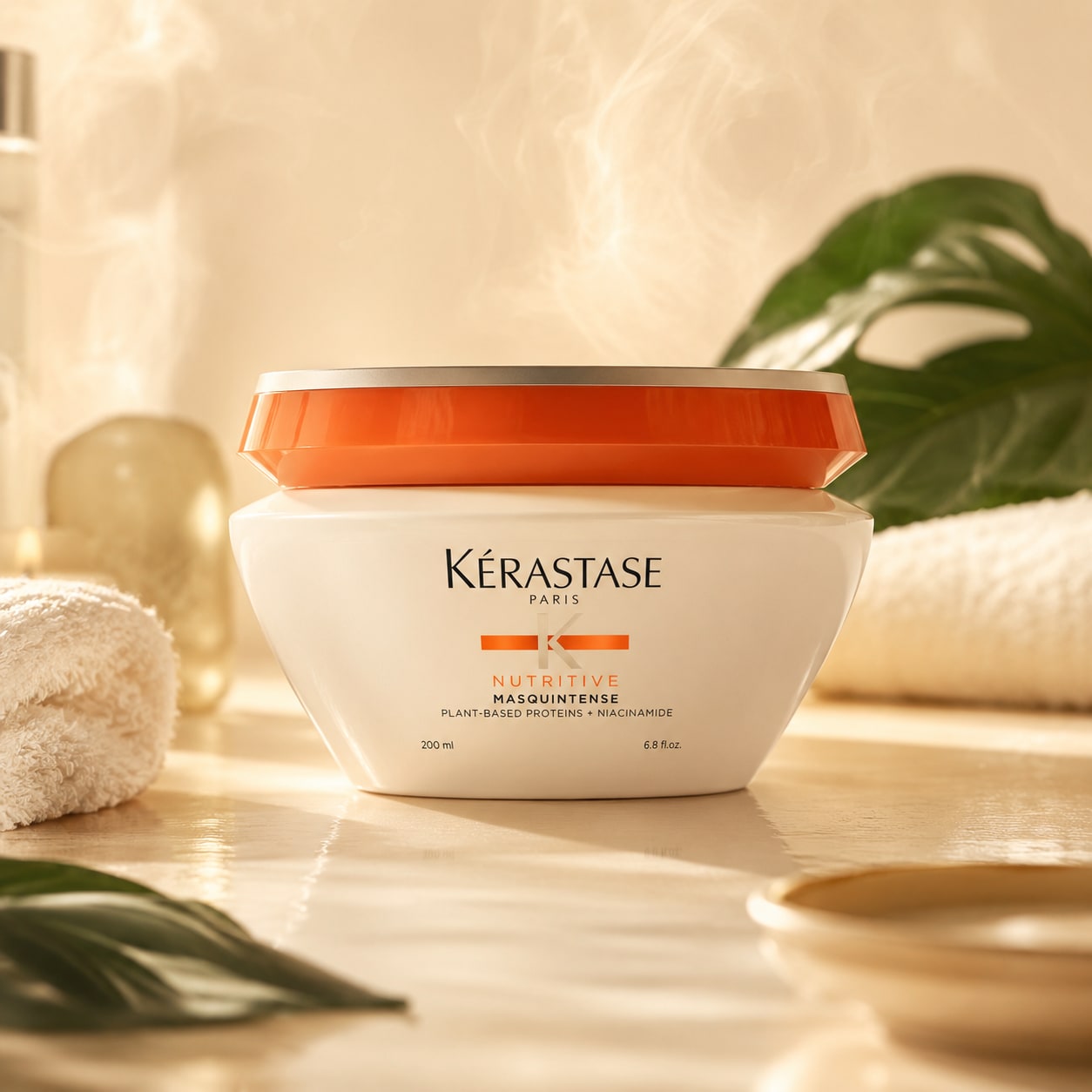
Protein Masks sit between everyday conditioner and salon treatments — thicker contact time, clearer rinse instructions, and often a specific protein or moisture goal.
This guide explains when protein masks belong in your routine, how often to use them, and which ingredients pair well on different textures.
When to choose protein masks
Match the mask category to how hair feels after a normal wash. Rough, tangly ends often need moisture or deep conditioning; mushy, stretchy hair may need protein or bond support first. Clarifying and pre-shampoo masks are occasional tools — not weekly defaults for most textures.
Ingredient pairings
Application and timing
Apply to damp hair after shampoo unless the label specifies dry application (common for pre-shampoo masks). Most rinse-out formulas need 5–20 minutes; overnight masks require explicit label approval before sleeping in product.
Common mistakes
Using protein masks on the scalp when the formula is meant for lengths only, skipping the rinse step, or stacking two heavy treatments on the same wash day. One well-chosen mask beats three overlapping repair products.
Next steps
Who should skip protein masks for now
If hair already feels stiff, coated, or unusually dry, fix the category mismatch before increasing frequency. Clarifying and protein masks are especially easy to overuse when hair actually needs moisture.
Sample weekly calendar
| Week | Focus | Example |
|---|---|---|
| 1 | Baseline moisture | Shea butter mask |
| 2 | Assess feel | Skip mask if coated; otherwise repeat |
| 3 | Targeted treatment | Match protein masks to current concern |
| 4 | Reset if needed | Clarify only if buildup, then moisture |
Adjust the calendar to your wash frequency — the table is a template, not a rigid schedule.
Troubleshooting after masking
If hair feels coated within 24 hours, you likely used too much product, applied too close to the root, or rinsed too quickly. Try half the dose next time and focus on mid-lengths and ends only. If hair feels stiff or straw-like, pause protein-heavy formulas for two to three weeks and use a moisture mask instead.
Pairing with the rest of your routine
Masks are the weekly deep step — not a replacement for everyday conditioner unless your hair truly needs it. Between mask days, a lightweight conditioner and gentle detangling protect ends until the next treatment. For daily frizz or shine without added weight, leave-in serums on Hair Serums serve a different job than rinse-out masks.
Before you buy
Compare ingredient placement, rinse instructions, and jar size against how often you will actually mask. Our product catalog lists every mask we review with ratings and specs. Start from the best hair masks pillar if you are unsure which ingredient category fits your goal.
Saving your results
Track slip during application, rinse clarity, and day-two elasticity after each mask. Two wash cycles of notes beat guessing from a single shower experience. When a formula works, bookmark the matching matrix ranking so your next repurchase is intentional.
Storage and shelf life
Scoop masks with clean hands, close the jar tightly, and keep tubs away from shower spray when possible. Oxidized or separated product should be replaced — masking with stale formula rarely improves results.
Sample two-week mask plan
| Wash | Action |
|---|---|
| Week 1 | Shampoo, mask on damp mids and ends, rinse until clear |
| Week 1 (mid-week) | Conditioner only — assess day-two feel |
| Week 2 | Repeat mask if ends still rough; skip if coated |
| Week 2 (mid-week) | Clarify only if buildup, then moisture mask |
Adjust timing to your actual wash frequency. The plan is a template for tracking feel, not a rigid calendar.
Before you repurchase
Compare ingredient order, rinse time, and price per ounce against what you already own. Duplicate jars in the same category often cause buildup without better results. Use best hair masks and the product catalog to avoid buying a third moisture mask when you need protein — or vice versa.
Protein Masks by ingredient
Frequently Asked Questions
Who should use protein masks?
Choose based on how hair feels after washing — coated, dry, brittle, or dull — and adjust weekly frequency.